
Pharmacists as Clinical Partners, Not Just Dispensers
Comprehensive medication management services that improve resident outcomes, reduce costs, and support your clinical team.
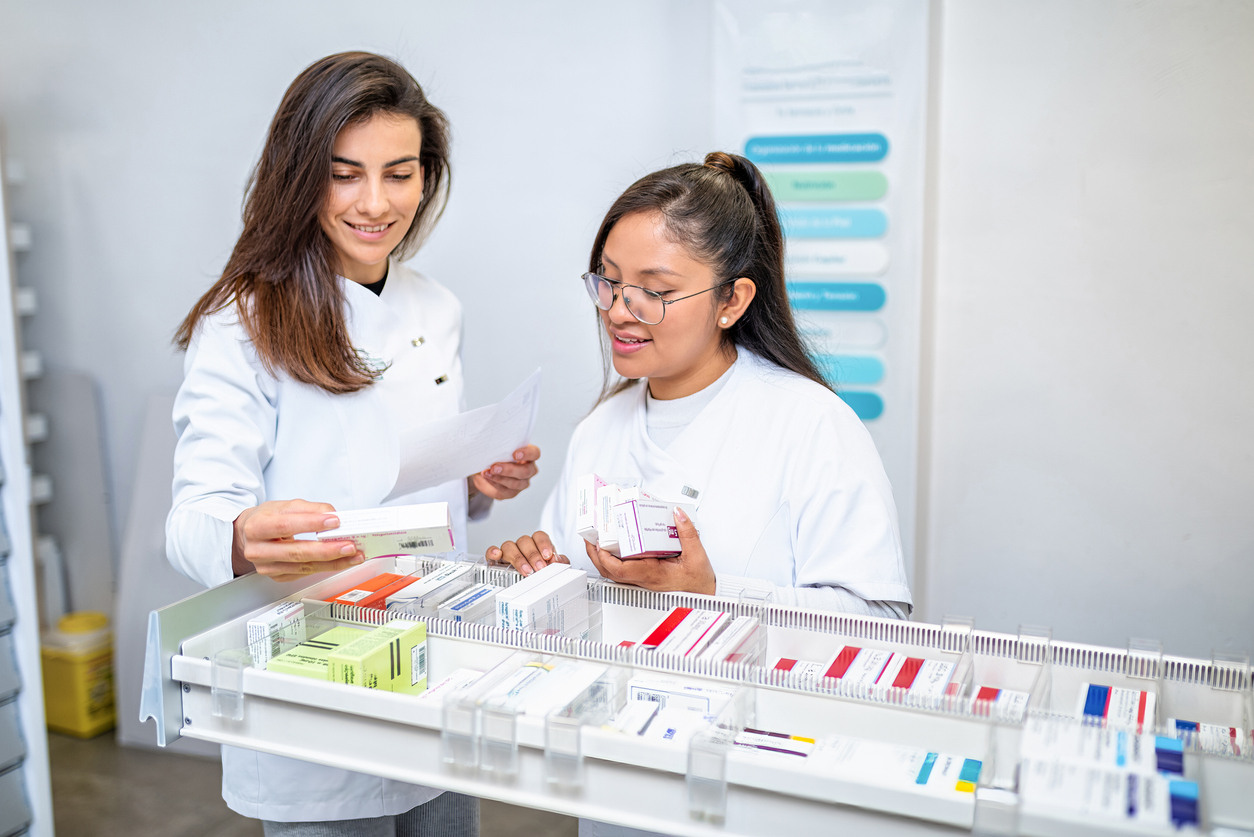
Most pharmacies fill orders. We review them.
There’s a meaningful difference — and it shows up in fewer adverse events, better survey results, and nursing staff who spend less time on the phone chasing down answers. In long-term care, the complexity of resident medication regimens demands more than a dispensing relationship. It demands a pharmacist who knows your residents, understands your clinical environment, and functions as a true extension of your care team.
That’s what clinical pharmacy partnership looks like at Friendship Pharmacy. Our pharmacists don’t wait to be called — they show up, participate, and proactively look for what others might miss.
Why Clinical Pharmacy Partnerships Matter in LTC
Long-term care residents take an average of eight to ten medications daily. Many have multiple chronic conditions, age-related changes in how medications are processed, and limited ability to communicate adverse effects. The margin for error is narrow — and the consequences of missing something are serious.
A pharmacist embedded in your care team changes that dynamic. Problems get caught before they become incidents. Nursing staff have a clinical resource they can actually call. Prescribers receive thoughtful recommendations rather than just order confirmations. And your facility has documented evidence of proactive pharmacy oversight when surveyors ask for it.
Pharmacy Consultancy Services
Comprehensive and consistent support for your Nursing Staff
Clinical pharmacy isn't a specialty add-on — it's what good long-term care pharmacy looks like every day. Here's what that means in practice for our facility partners.
Every resident in a long-term care facility deserves a pharmacist who has actually reviewed their medications — not just dispensed them. Our MTM program does exactly that, systematically and consistently.
- Comprehensive medication reviews for all residents using Beers Criteria for appropriateness
- Drug interaction screening, therapeutic duplication identification, and adverse drug event prevention
- Documented recommendations to prescribers with follow-through tracking
Our consultant pharmacists don’t just review charts remotely — they show up to care plan meetings, speak directly with prescribers, and serve as a clinical resource your nursing staff can actually rely on.
- Monthly or quarterly on-site regimen reviews with documented findings and recommendations
- Active participation in interdisciplinary care planning and family meetings
- Antibiotic stewardship and infection control support
Long-term care residents are among the most over-medicated patients in the healthcare system. Reducing that burden safely is one of the highest-impact things a clinical pharmacist can do — for resident quality of life and for your survey results.
- Systematic reduction of unnecessary medications including anticholinergics, PPIs, and benzodiazepines
- Fall risk medication assessment and tapering protocols
- Psychotropic medication reduction support with GDR documentation for F-tag compliance
Complex chronic conditions require more than routine dispensing. Our pharmacists provide specialized oversight for the conditions most commonly seen in long-term care residents.
- Anticoagulation monitoring, INR review, and dose adjustment recommendations
- Diabetes medication optimization and blood sugar monitoring protocols
- Heart failure and respiratory therapy management in coordination with your clinical team
Your nursing staff is on the front line of medication administration every day. We support them with the knowledge and tools to do that safely and confidently.
- Medication administration best practices and high-risk medication identification
- Adverse effect recognition and documentation requirements
- New medication updates, safety alerts, and facility-specific protocol training
Clinical pharmacy and survey compliance are inseparable in long-term care. Our pharmacists are active contributors to your QAPI process — not just reactive responders when something goes wrong.
- QAPI metric tracking, root cause analysis, and intervention documentation
- Unnecessary drugs monitoring and F-tag compliance support
- Star rating improvement strategies targeting medication-related quality measures
What Sets Our Clinical Team Apart
We know your residents.
Our pharmacists work with the same facilities consistently — which means they know your resident population, your prescribers’ preferences, and your facility’s clinical priorities. That continuity matters.
We speak the language of nursing
Clinical recommendations are only valuable if nursing staff can act on them. Our pharmacists communicate clearly, practically, and in terms that translate directly to the floor.
We show up
On-site visits, care plan participation, staff training — our clinical pharmacists are present in your facility, not just accessible by phone.
We're survey-ready, always
Every clinical interaction is documented. Every recommendation is tracked. When surveyors walk in, your pharmacy oversight record is clean.
TESTIMONIAL
An Extension of Our Team
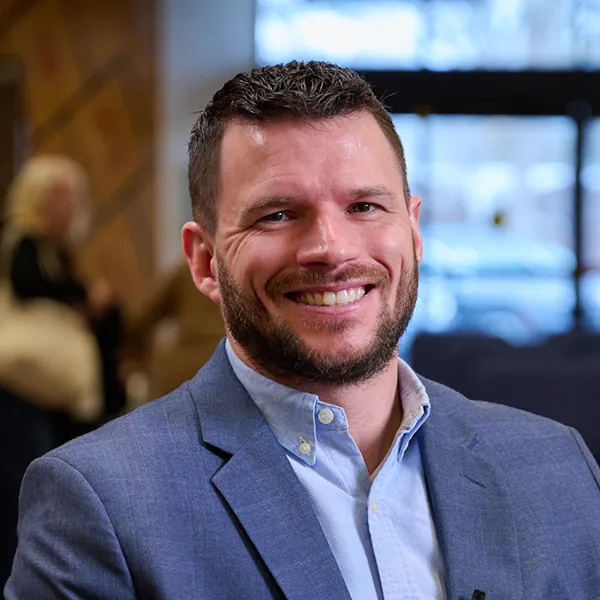

Like many long-term care operators, Wesley Enhanced Living had grown accustomed to a pharmacy relationship that was largely reactive — clinical support that arrived after something went wrong. When they partnered with Friendship Pharmacy, that changed. Their dedicated pharmacy consultant now participates in monthly nursing meetings, identifies potential medication concerns before they surface in a survey, and proactively recommends deprescribing solutions that have helped meaningfully reduce readmission rates across their communities.
“Friendship’s Pharmacy Consultant is truly a part of our team, helping to reduce patient medicine issues and going above and beyond to support our nursing team.”
Daniel Hood, Executive Director @ Wesley Enhanced Living
FAQ
Frequently Asked Questions
A consultant pharmacist conducts regular medication regimen reviews for long-term care residents, identifies potential drug-related problems, and makes recommendations to prescribers. CMS requires consultant pharmacist services for skilled nursing facilities, and they’re a best practice for assisted living and memory care communities. Beyond compliance, a good consultant pharmacist catches problems before they become incidents — which protects your residents and your survey record.
Visit frequency depends on your facility type, census, and needs. Skilled nursing facilities typically receive monthly visits. Assisted living and memory care communities may be monthly or quarterly. We build a schedule around your care team’s rhythm and adjust as your needs change.
Directly and accessibly — by phone, secure message, or in person during scheduled visits. Your team will have a consistent pharmacist they know by name, not a rotating roster of unfamiliar voices. We also provide written summaries of all recommendations so there’s always a documented record.
Our pharmacists maintain documentation of every medication review, recommendation, and intervention. This creates an auditable record of proactive pharmacy oversight — which directly supports F-tag compliance around unnecessary drugs, psychotropic medications, and medication error prevention. We also conduct pre-survey readiness assessments to flag potential issues before surveyors do.
Yes — as part of our standard clinical partnership. Training topics are tailored to your facility’s needs and can include high-risk medication administration, adverse effect recognition, controlled substance handling, and documentation best practices. We also provide updates when new medications are added to your formulary or when safety alerts are issued.

Explore Clinical Partnership Opportunities
Clinical pharmacy partnership starts with understanding your facility’s specific needs. We’re happy to walk through what our services look like in practice — no commitment required.
Or call us at (215) 624-3903